Zataak Se Consumer App
Drive-thru shopping, reinvented—no queues, no parking stress, just effortless pickups on the go. Read more to explore how this Zataak Se Consumer app enhances customer convenience, eliminating common shopping frustrations while revolutionising the drive-thru experience.
My Role
Product Designer — Interaction Design, Visual Design, User Flows, Wireframing, User Research,
Timeline & Status
March 2023 to December 2024
Tools


Problem
The Zataak Se team envisioned a revolutionary quick-commerce platform to serve busy, on-the-go users with an alternative to costly delivery fees.
However, the reality was starkly different:
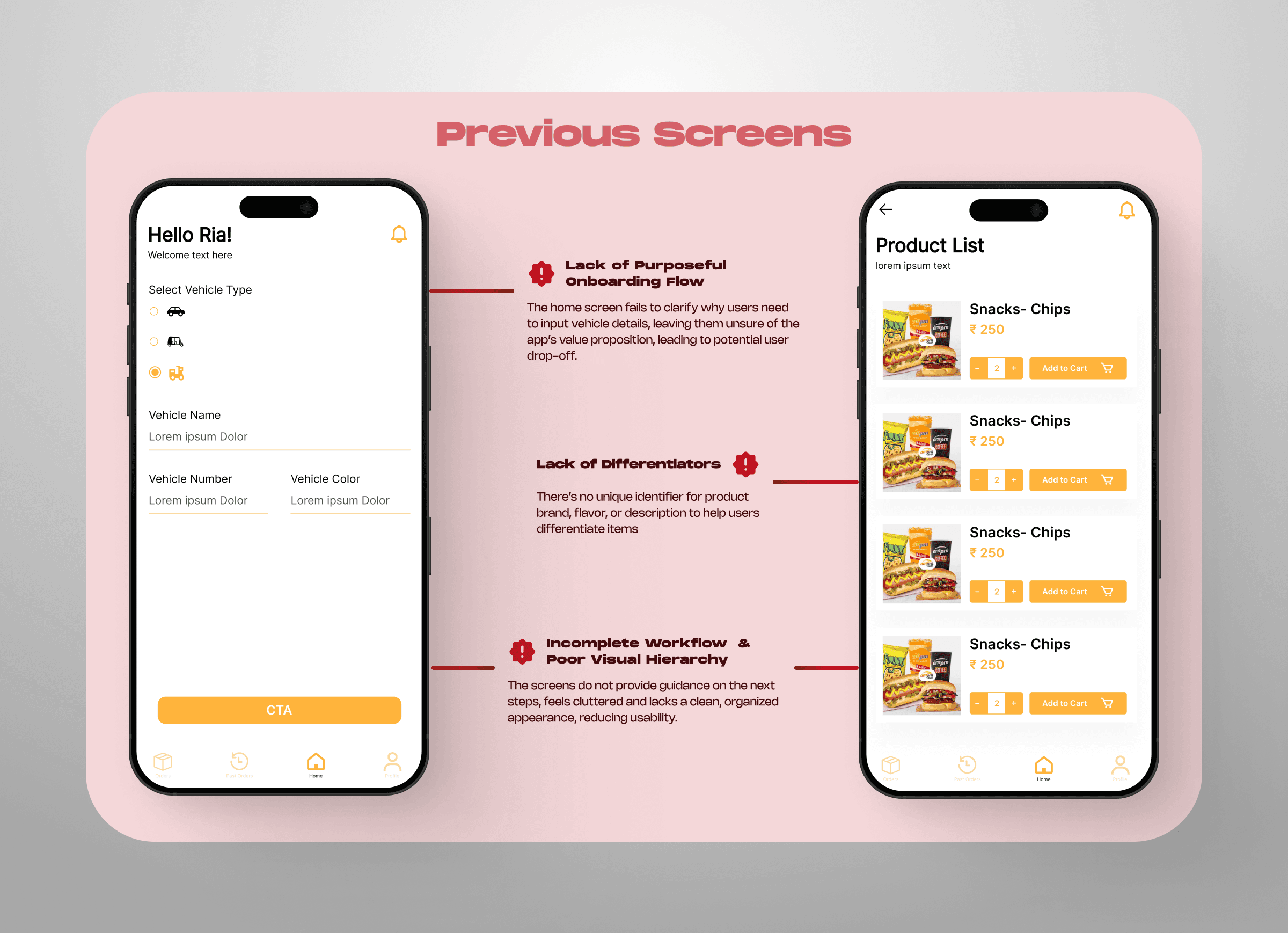
Fragmented vision: They had a broken APK, a few incomplete screens from a third-party developer, and no clear direction forward.
User pain points: Rising convenience fees and lack of reliable alternatives frustrated their target audience.
Business impact: Without a clear MVP or cohesive workflow, the team struggled to attract beta users or present a compelling product to investors.
The founders needed a design partner who could not only visualize their concept but also shape it into a usable, scalable product.
Research
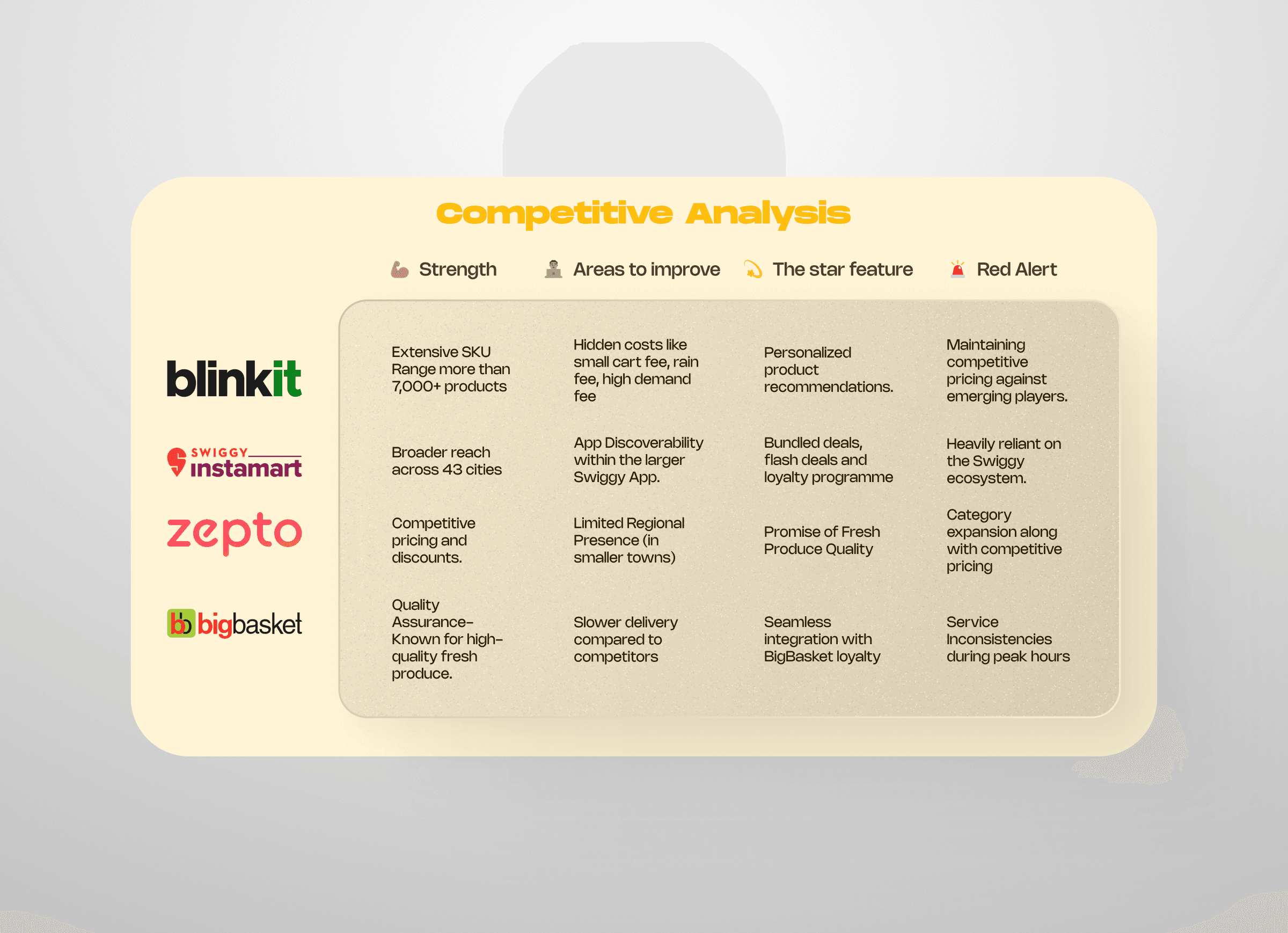
What I Did: Conducted user interviews, competitor analysis (Blinkit, Swiggy, Zepto), and mapped pain points.
What I Found:
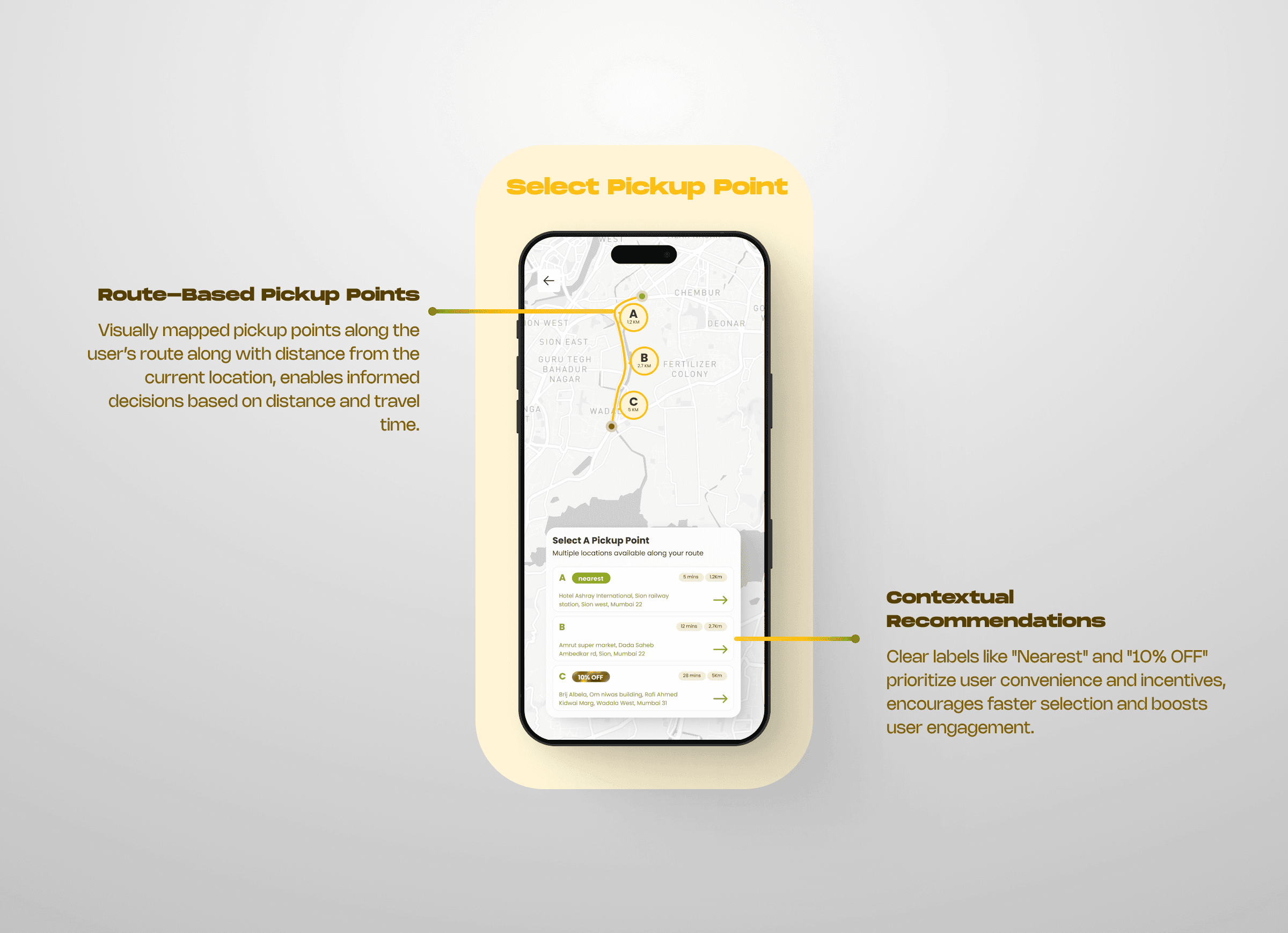
Users struggled with decision fatigue when selecting pickup points.
High convenience fees deterred repeat usage of existing platforms.
Users wanted a seamless, on-the-go ordering experience with minimal touchpoints.
Ideation
What I Explored:
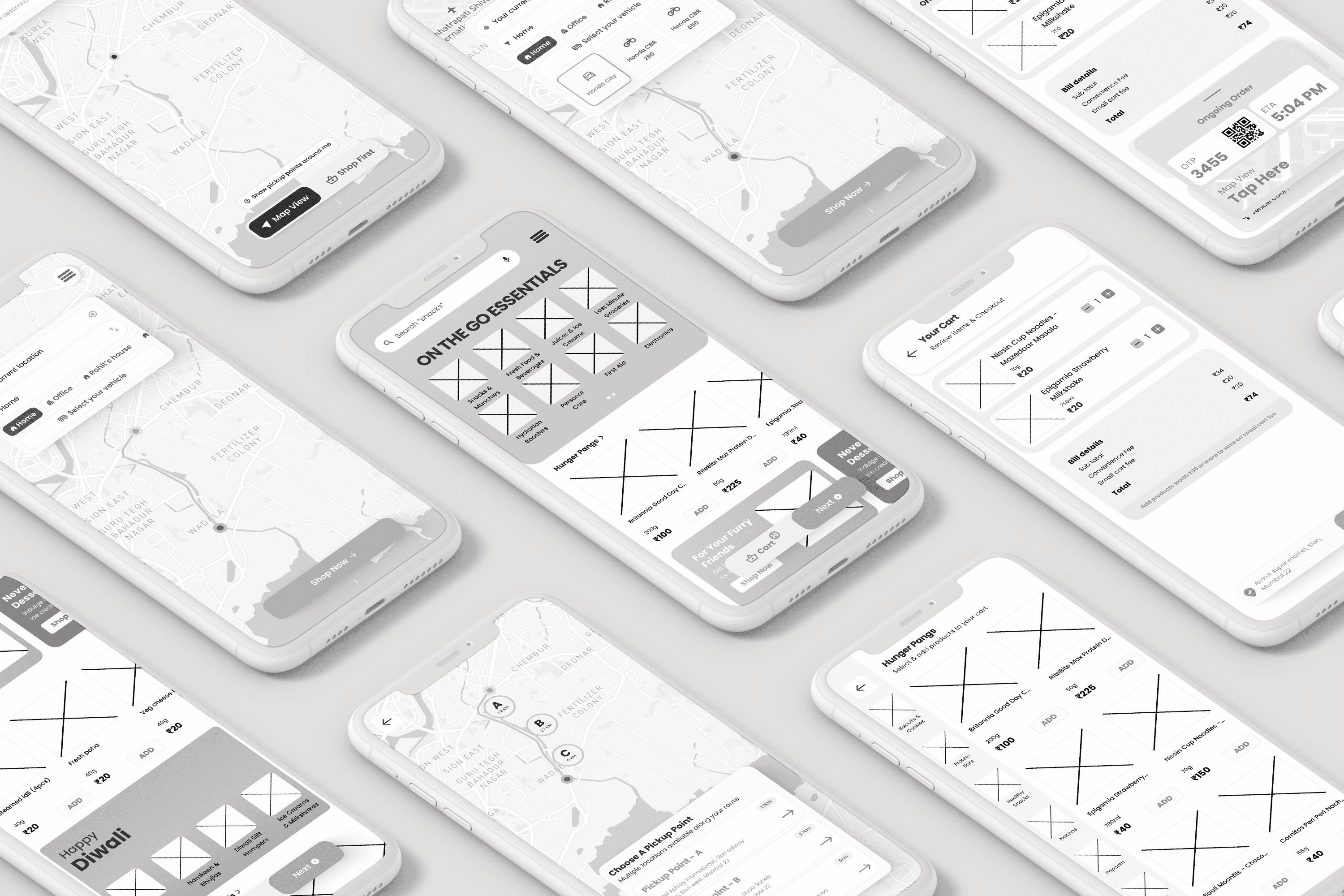
Developed wireframes and low-fidelity prototypes for various user flows.
What Guided Decisions:
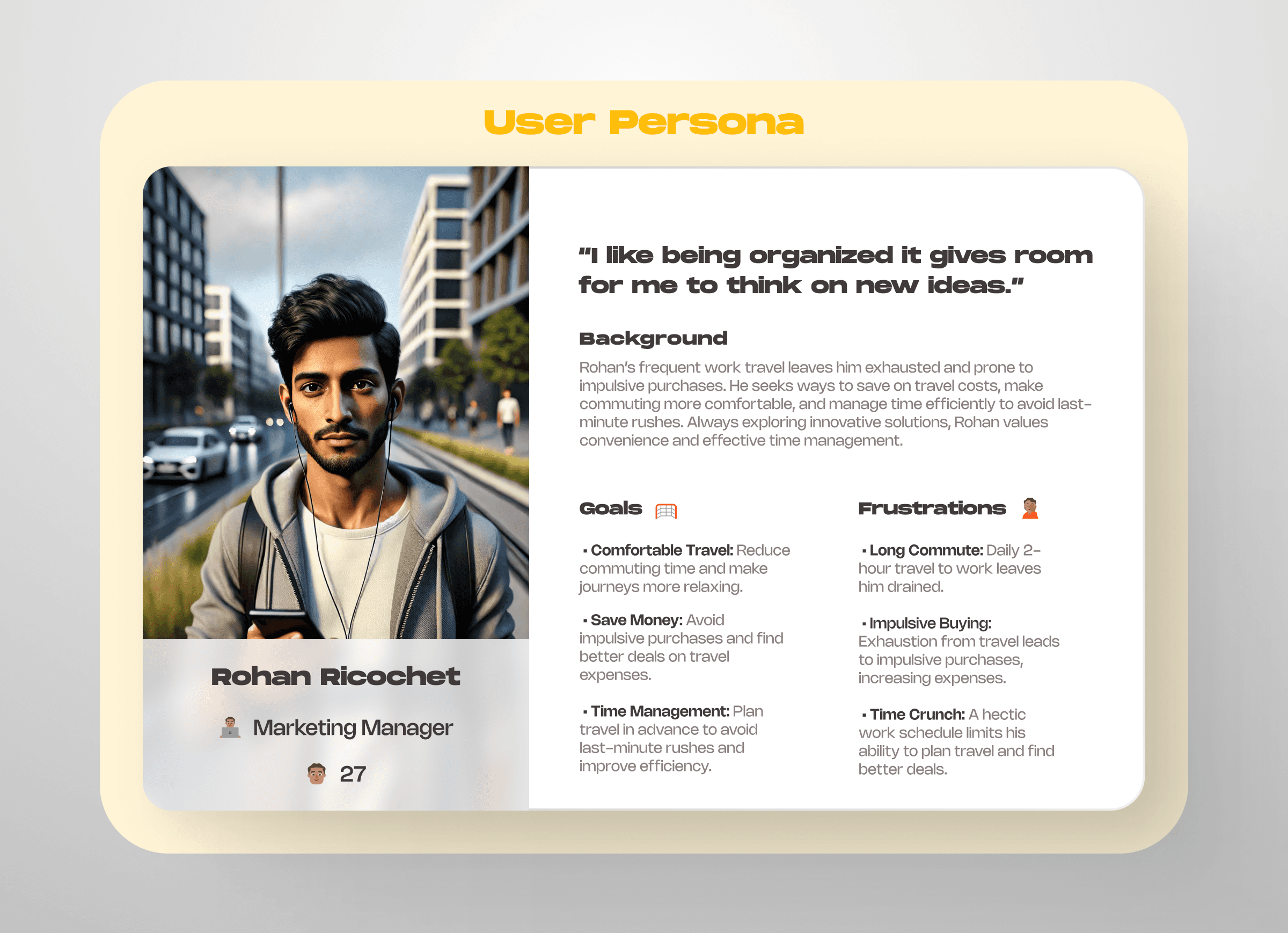
Personas: "Rohan," a busy marketing manager, and "Carry," a tech-savvy software engineer, highlighted the need for simplicity and efficiency.
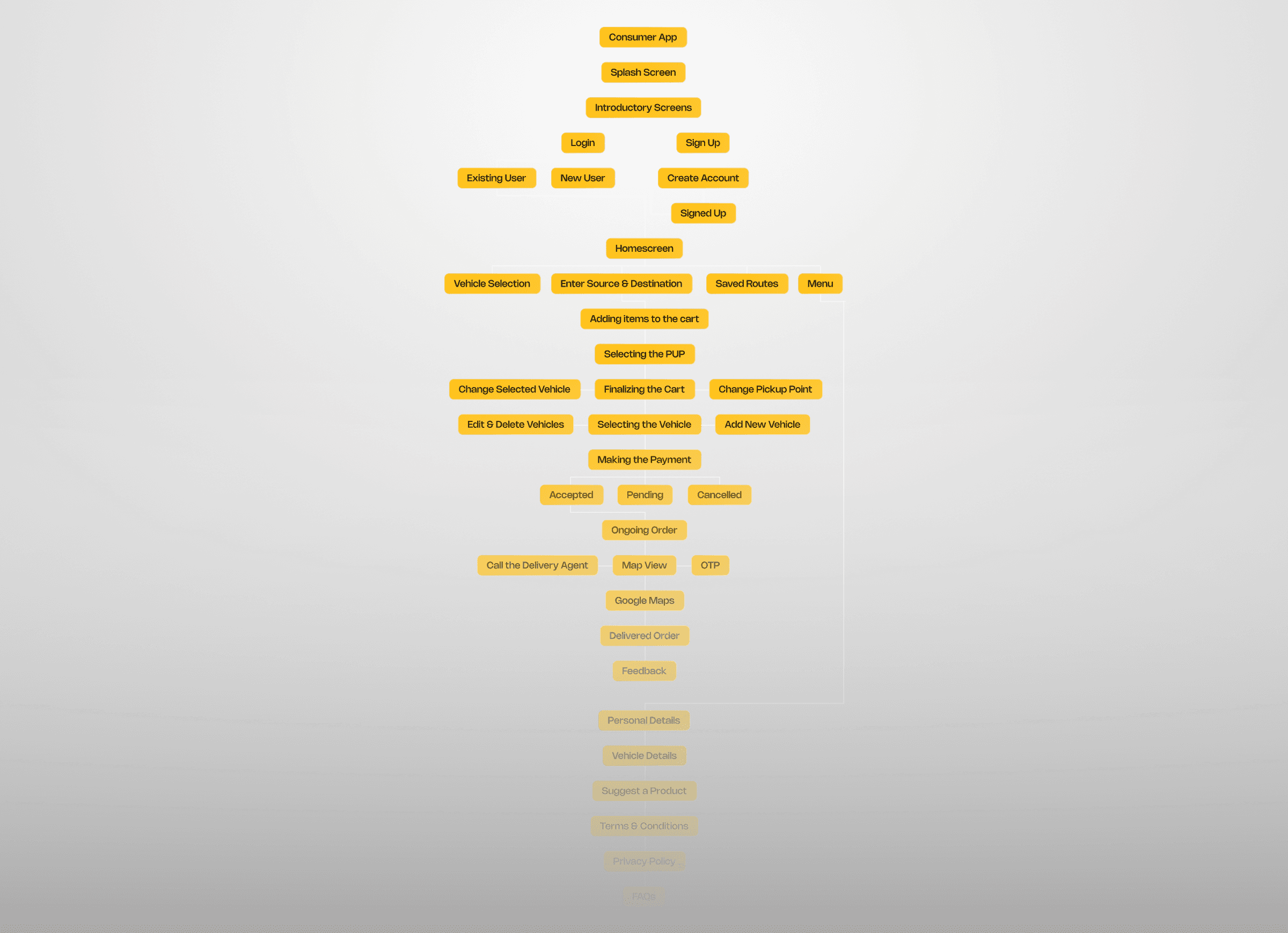
Journey Maps: Identified key moments of friction in the order and pickup process.
Design
What I Created:
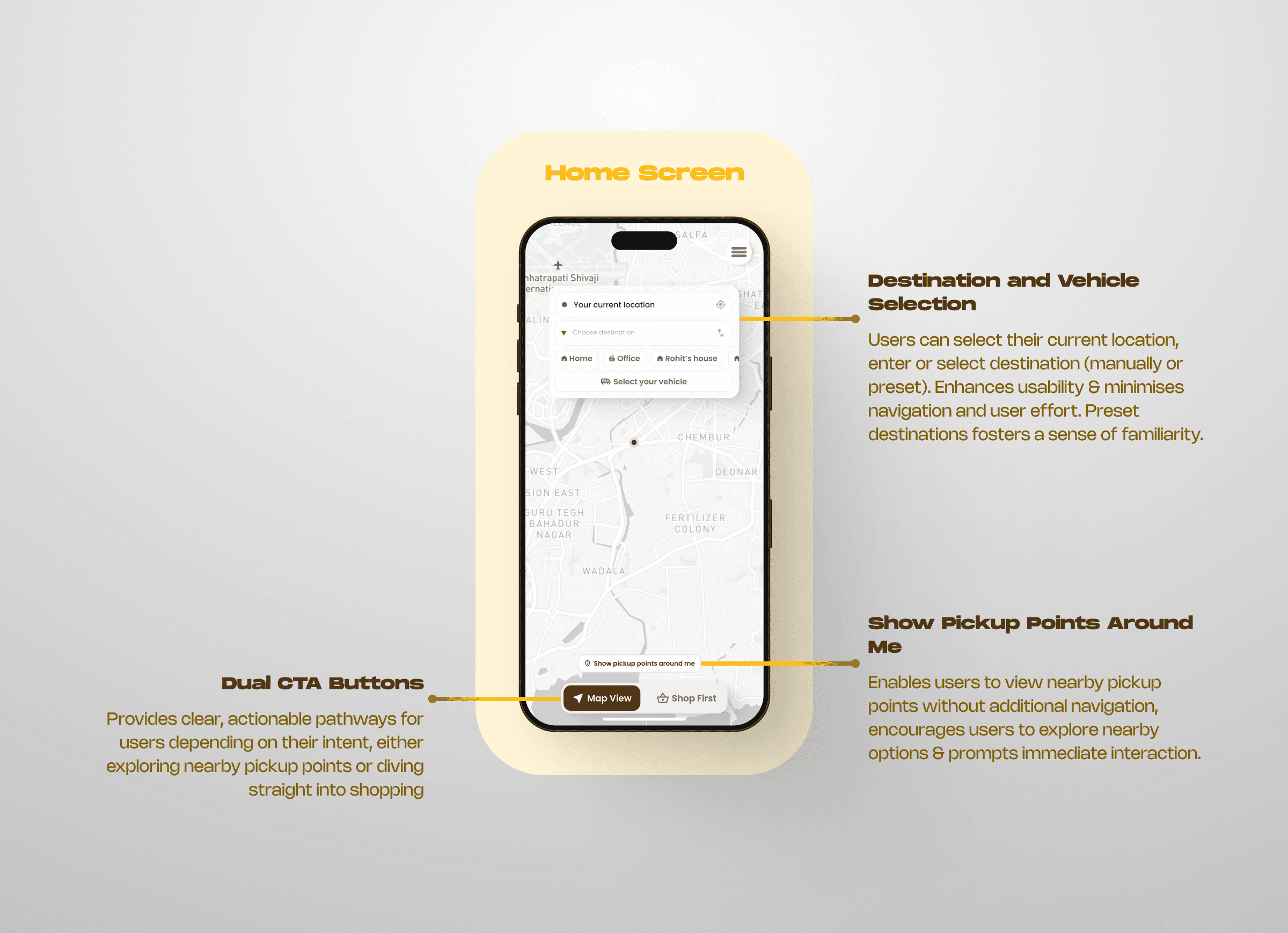
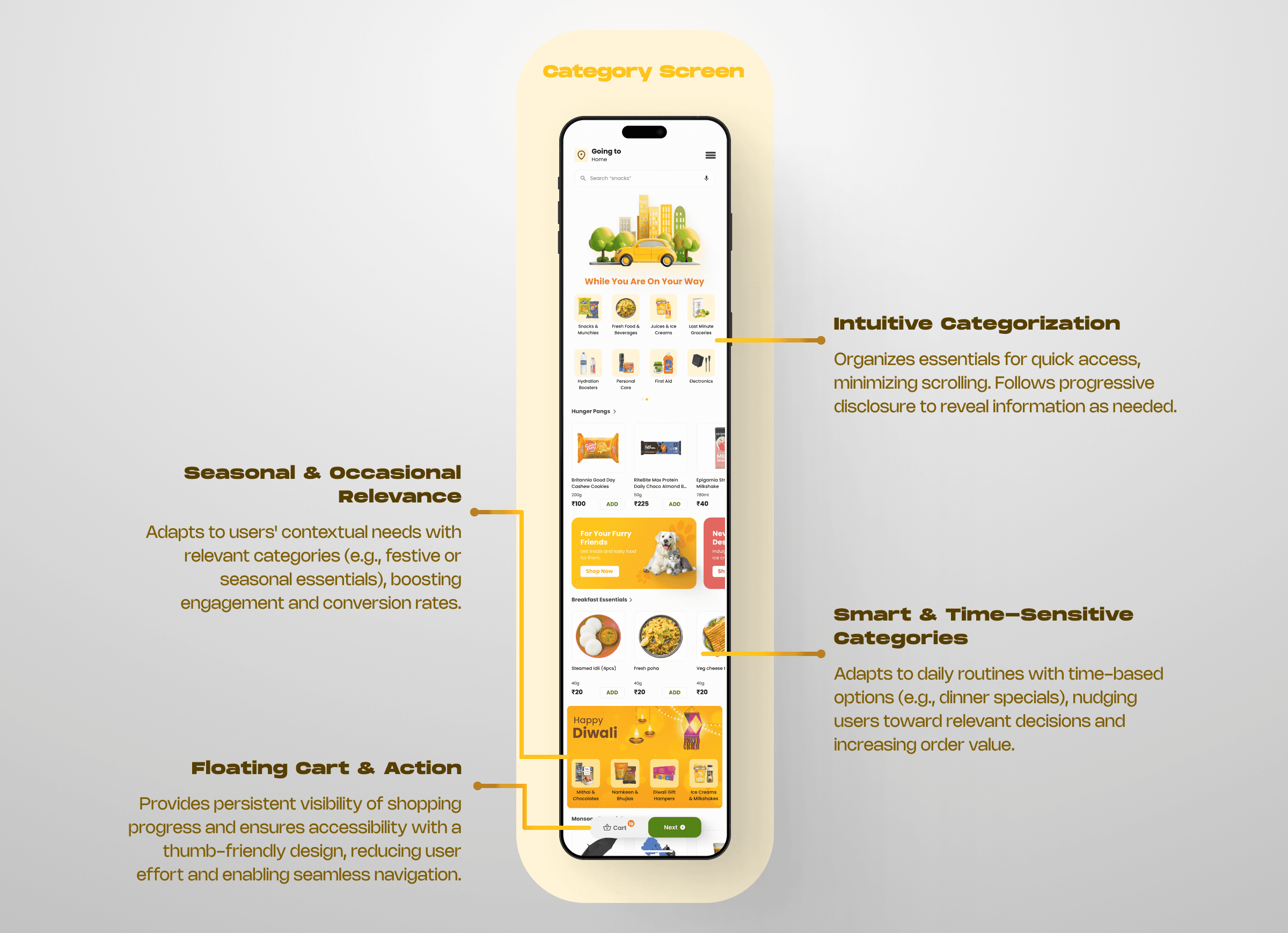
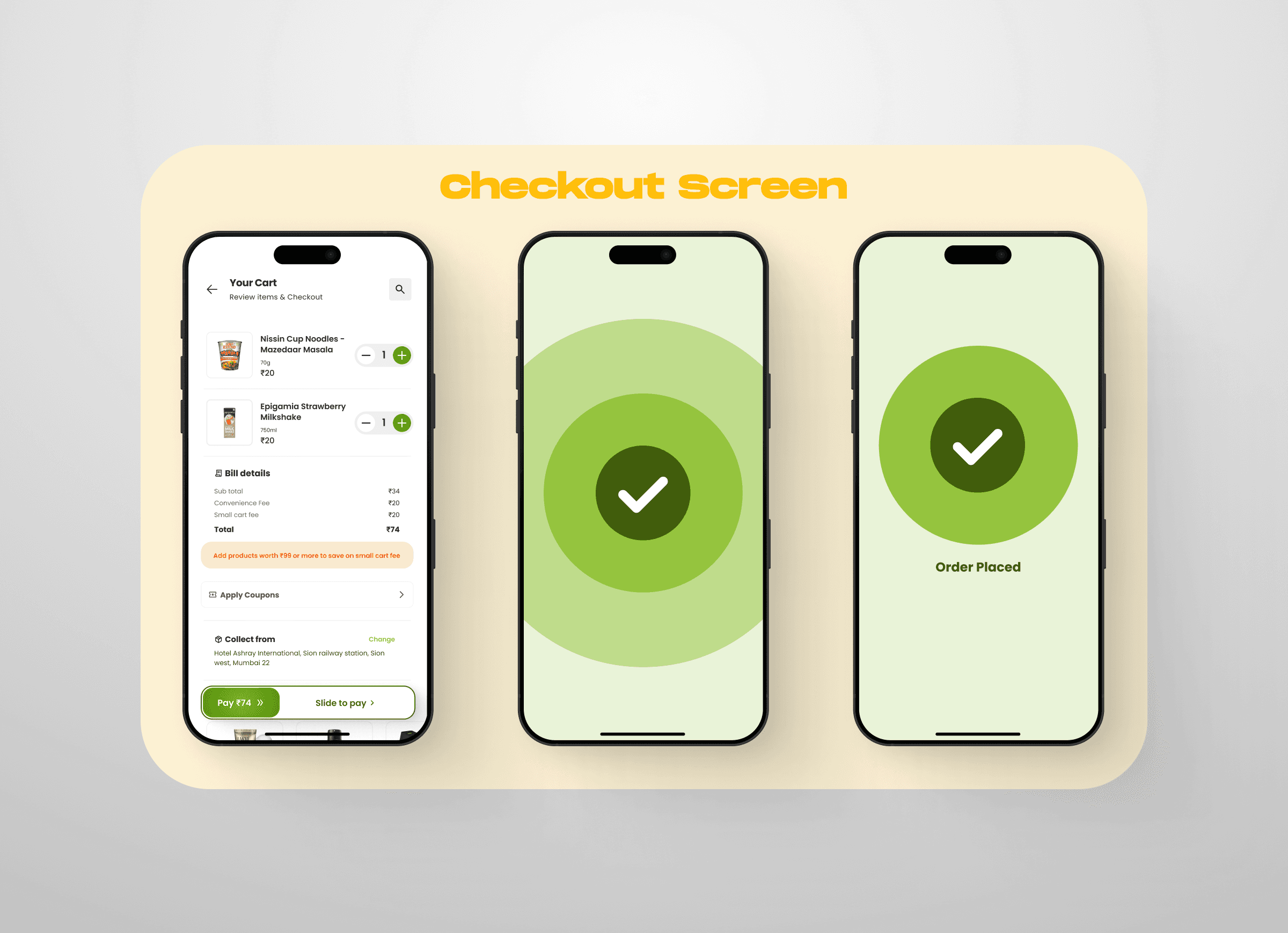
Redesigned the consumer app flow, reducing ordering steps from 8 screens to just 4.
Built a scalable design system with consistent typography, color schemes, and UI patterns.
Crafted a modern, accessible interface optimized for both novice and power users.
Principles Followed: Accessibility (WCAG guidelines), scalability, and user-centric design.
Testing
What I Tested:
Conducted usability testing with 50+ beta users and iterated based on feedback.
Ran A/B tests to optimize the placement of key elements like pickup point selectors.
Data-Driven Refinements: Addressed issues with route selection and product availability, achieving a 15% improvement in task success rates.
Solution
The final MVP was centered on a product-first approach, where:
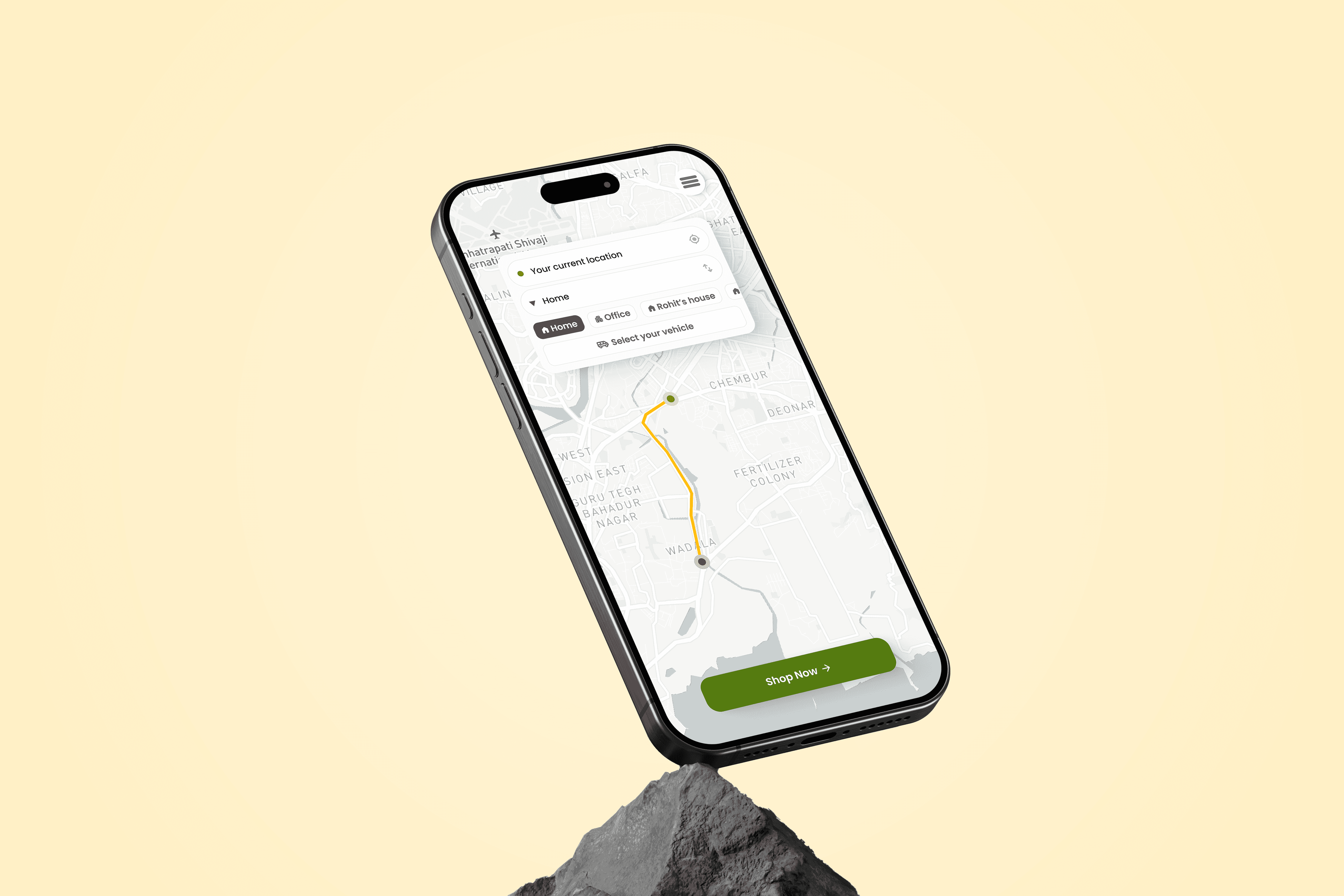
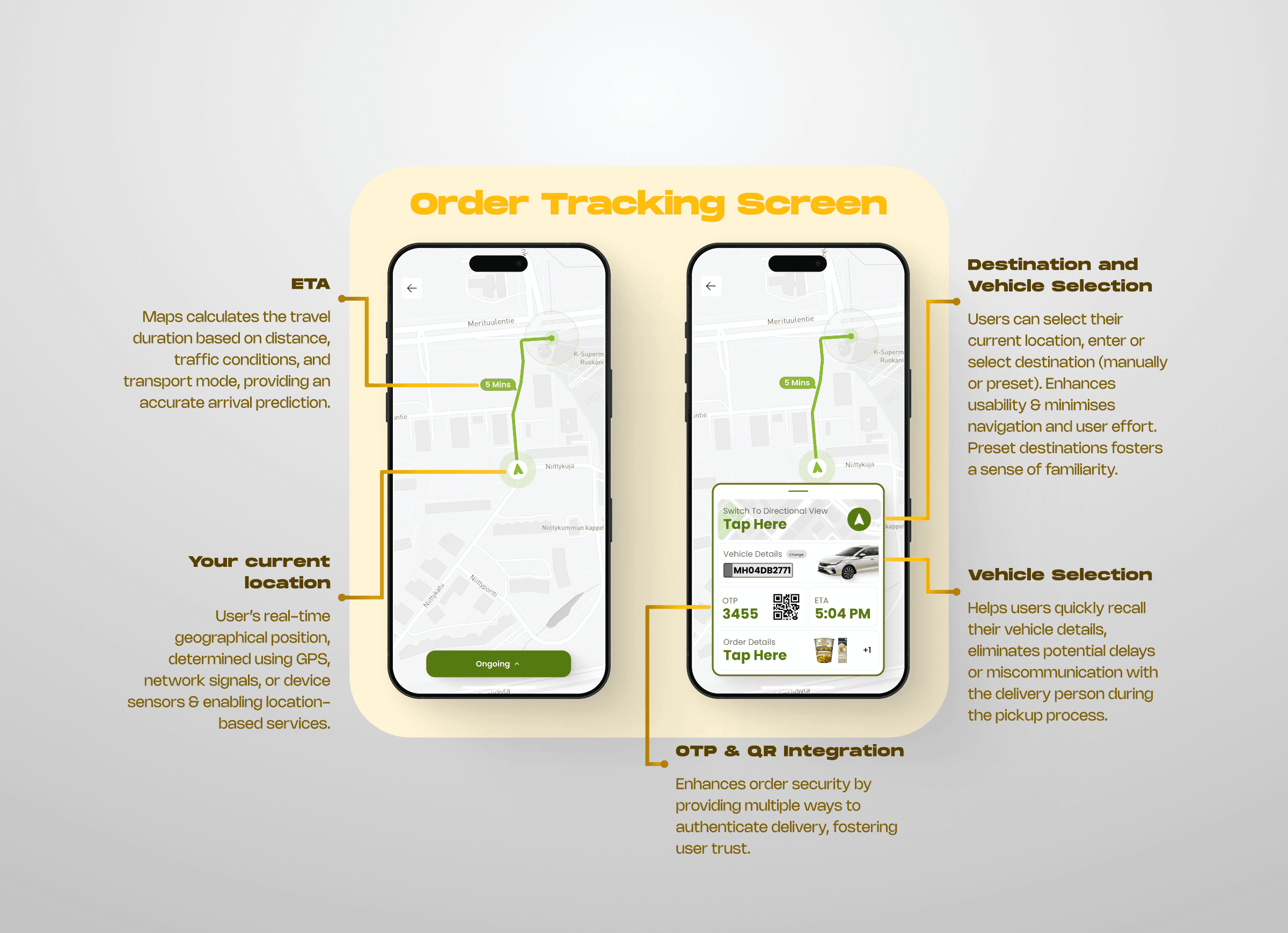
Users entered their journey’s start and end points, and the app algorithm identified the best pickup points.
A seamless, intuitive UI minimized decision-making and provided real-time updates on pickup availability.
The app supported merchants and delivery partners, creating a symbiotic ecosystem.
By addressing user pain points (decision fatigue, convenience fees) and operational inefficiencies, the solution became both user-friendly and scalable.
Results
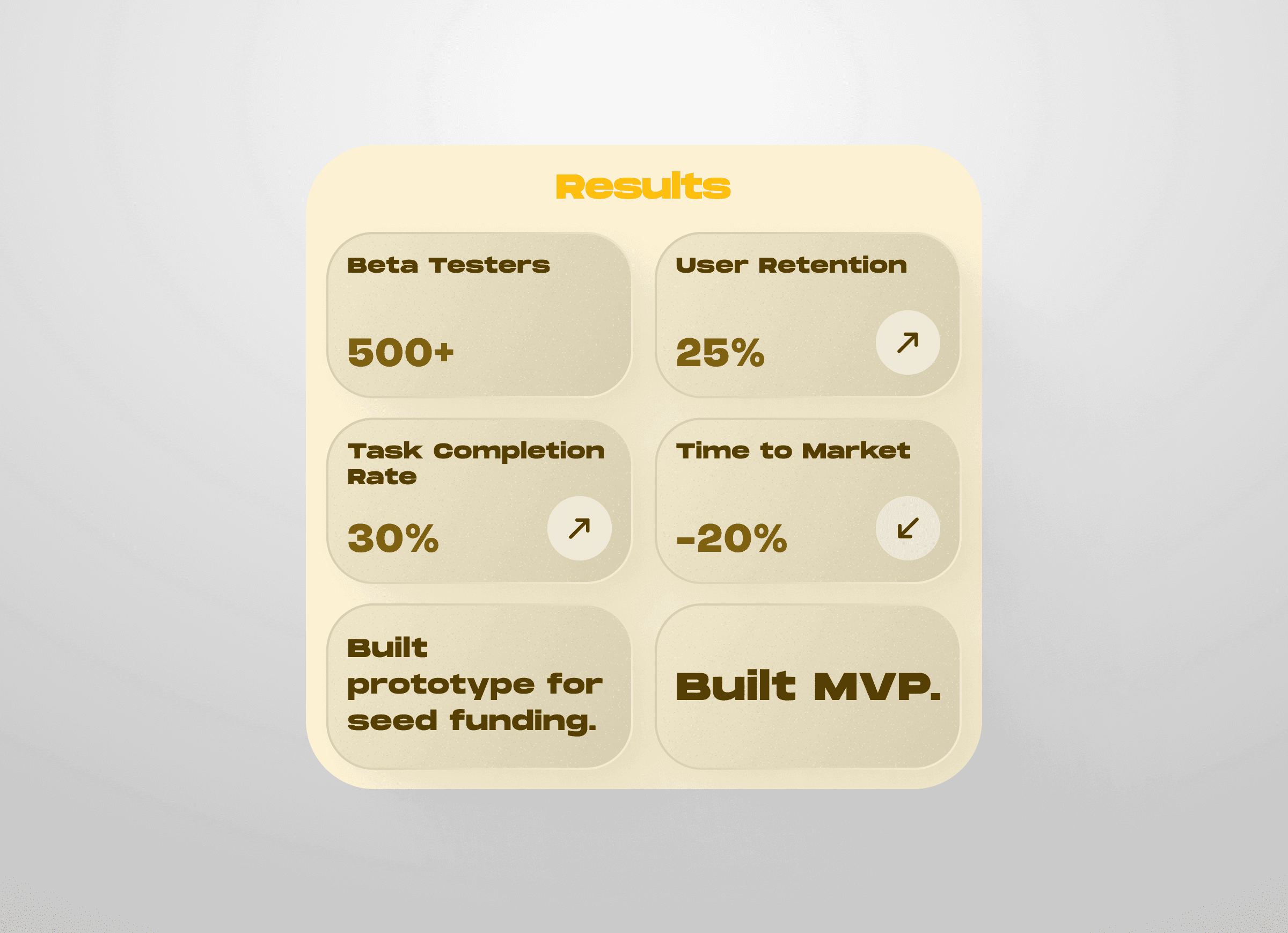
Beta User Adoption: Onboarded 500 plus local users, generating early revenue.
Engagement Metrics: Improved user retention by 25% and increased task completion rates by 30%.
Business Impact: Positioned the product as a viable solution for VC funding by demonstrating MVP traction.
Operational Efficiency: Reduced time-to-market by 20% through scalable design systems and iterative processes.
Reflection
What I Learned
The importance of iterative design and continuous user feedback to refine product-market fit.
Cross-functional collaboration with developers is critical for translating designs into functional products.
Scalable systems lay the groundwork for rapid iterations and future growth.
Feedback Received
Positive feedback from beta users highlighted the app’s simplicity and ease of use.
Constructive feedback included requests for more personalized recommendations, which will be addressed in future iterations.
